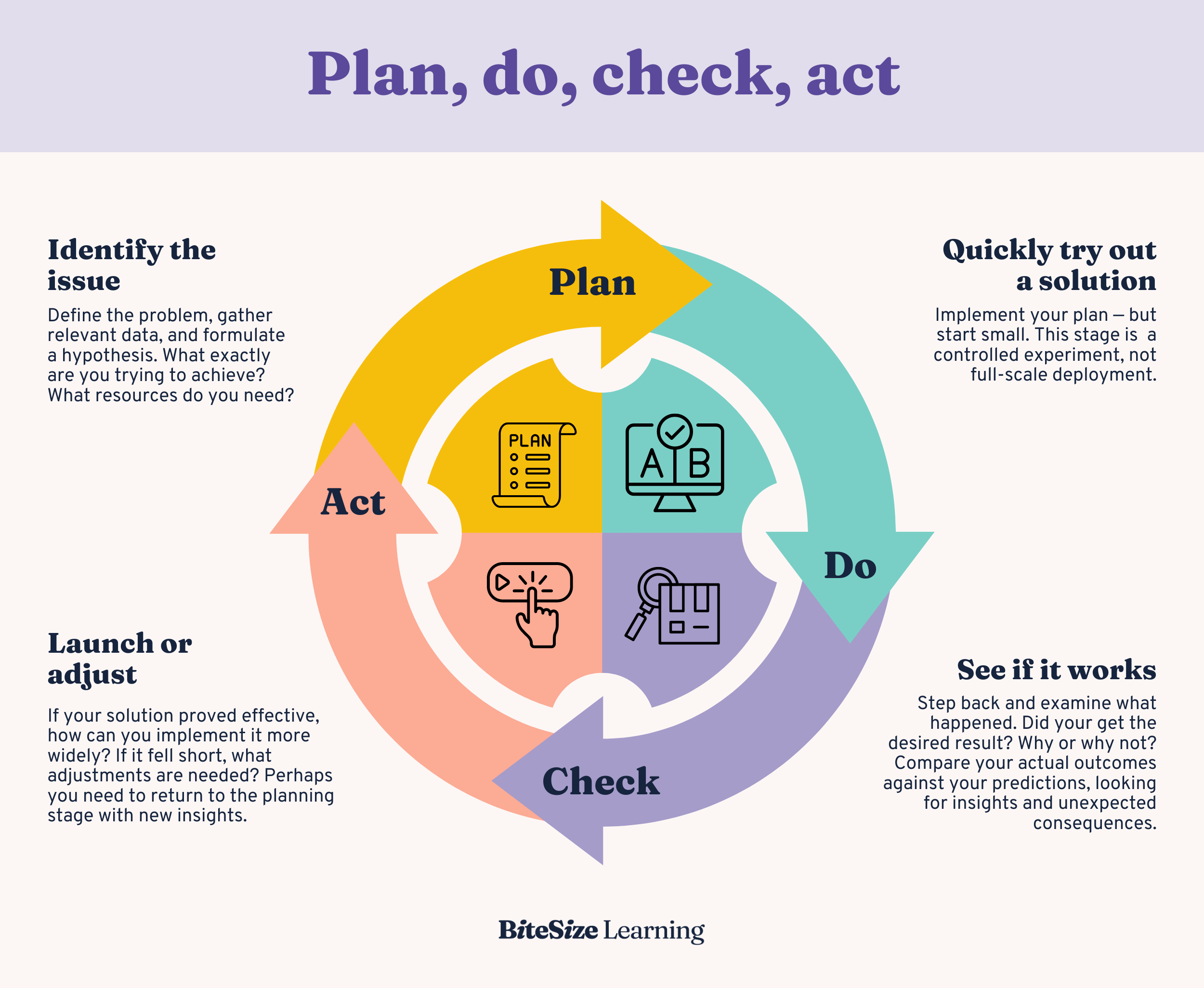
PDCA at the Kitchen Table
Most families don’t drift because they stop loving one another.
They drift because they stop checking in.
Scripture assumes this about us. It never treats drift as hypothetical. It treats it as inevitable unless we interrupt it on purpose.
Paul puts a time limit on unresolved strain: “Do not let the sun go down on your anger” (Ephesians 4:26–27). That’s not just counsel about temper; it’s wisdom about timing. Deal with things early, while they’re still small. Anger left overnight gains leverage. Silence gives it room.
The wisdom literature presses the same truth from another angle: “Better is open rebuke than hidden love” (Proverbs 27:5–6). Hidden love sounds gentle, but often it’s just avoidance. Unspoken gratitude and unspoken frustration both create distance. Love that never speaks eventually feels like love that isn’t there.
That’s why gratitude matters so much—and why it must be spoken. Paul doesn’t mention thankfulness once and move on; he circles it again and again: “Be thankful… with thankfulness in your hearts… giving thanks to God the Father” (Colossians 3:15–17). Gratitude isn’t assumed in Scripture; it’s practiced. Said out loud. Never let thankfulness go unsaid. What is spoken strengthens; what is merely felt can fade.
There is also a biblical place for intentional review. Jeremiah gives us language families rarely use: “Let us test and examine our ways, and return to the Lord” (Lamentations 3:40). That’s PDCA in biblical form—examine, recalibrate, return. Not to assign blame, but to realign hearts before drift becomes damage.
Joshua understood that this kind of examination wasn’t merely personal. “As for me and my house, we will serve the Lord” (Joshua 24:15). A household has a shared direction, a shared walk, and therefore a shared responsibility to ask where it’s headed. That assumes conversation—regular, intentional conversation.
And Scripture reminds us that how we speak matters as much as when we speak. “A soft answer turns away wrath” (Proverbs 15:1). Regular check-ins make soft answers possible. Delayed conversations usually come out sharp because pressure has already built.
Over it all stands Paul’s searching line about love: it “keeps no record of wrongs” (1 Corinthians 13:5). That doesn’t mean love denies reality. It means love addresses wrongs honestly and then refuses to stockpile them. It clears accounts instead of saving ammunition.
Seeing families come apart makes me wonder: what might have been different if regular check-ins had been part of the life of the home?
I don’t know outcomes. Scripture rarely promises them. What it calls for is faithfulness—anger addressed promptly, gratitude spoken freely, love that speaks before distance hardens, and households willing to pause and examine their ways before drift does the examining for them.
A simple rhythm—Plan, Do, Check, Adjust—won’t make a family perfect.
But it might keep love honest, gratitude audible, and small repairs from becoming permanent fractures.
And that’s worth putting on the calendar.
Soli Deo Gloria


No comments:
Post a Comment