I’ve noticed something about the human heart—mostly by watching my own.
When regret takes the wheel, it doesn’t just visit. It settles in. It replays old scenes. It edits them. It adds dialogue that was never spoken. It tells me how things should have gone.
Anxiety does something similar, only it points the projector forward. It imagines conversations that haven’t happened, outcomes that aren’t guaranteed, futures God hasn’t revealed. It says, What if? and then refuses to stop talking.
But gratitude—true gratitude—doesn’t coexist peacefully with either one.
Not for long.
That’s not just preacher talk. Psychologists have noticed it too. They say the mind can’t sustain gratitude while simultaneously dwelling in regret or anxiety. Attention doesn’t work that way. You can visit both neighborhoods, but you can’t live in both houses at once.
Scripture has been saying that for a long time.
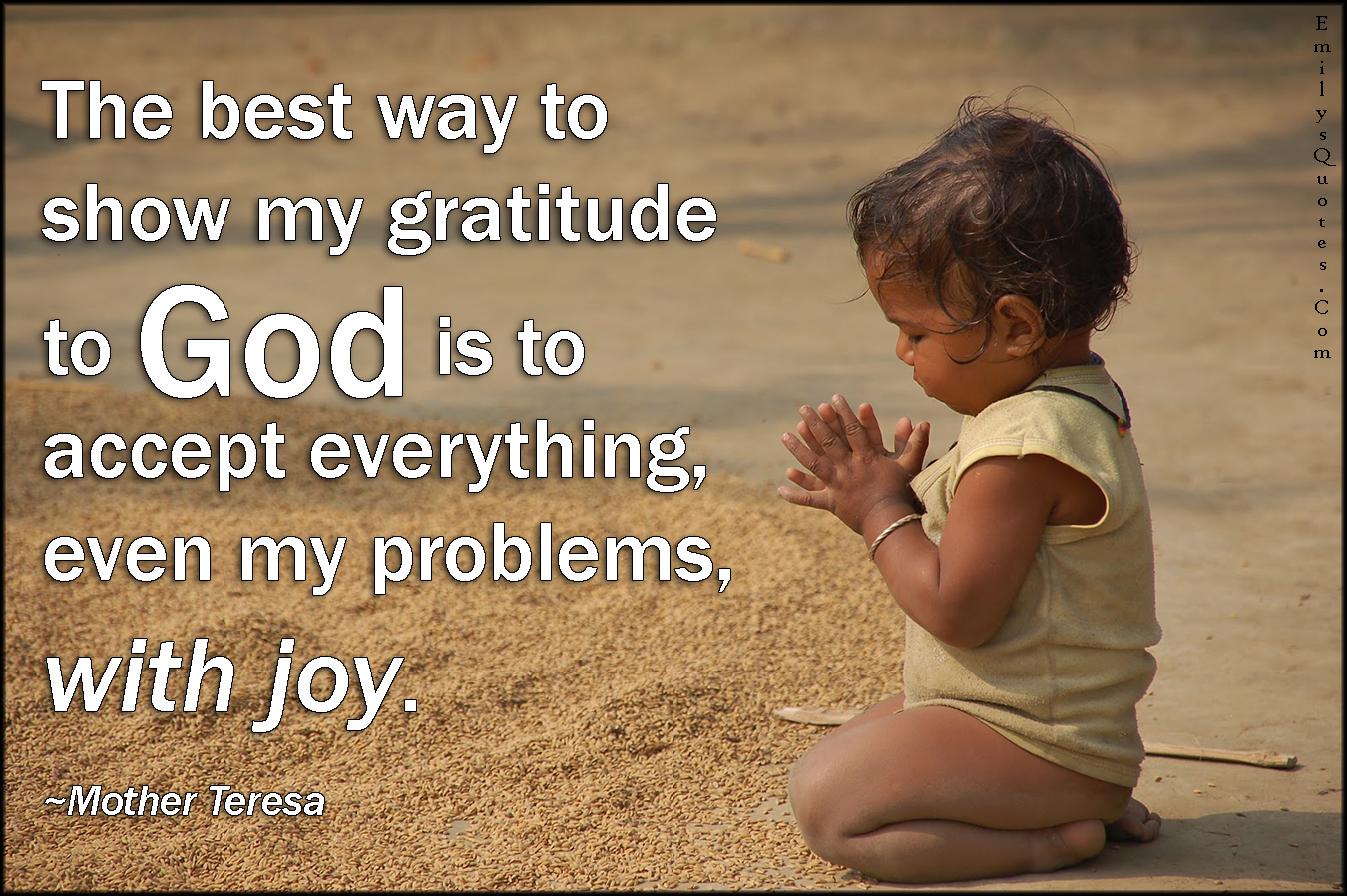
Paul doesn’t say, “Don’t be anxious—just stop it.” He knows better. Instead, he tells us to bring our requests to God with thanksgiving (Phil. 4:6–7). That phrase matters. Thanksgiving isn’t garnish. It’s the mechanism. Gratitude redirects the soul. And when it does, peace stands guard.
That’s the part we often miss. Gratitude doesn’t erase hard things. It re-anchors us while they’re still there.
Regret chains us to a past we cannot change.
Anxiety enslaves us to a future we do not control.
Gratitude brings us back to the present—where God actually is.
That’s why Scripture keeps telling God’s people to remember. Remember the exodus. Remember the wilderness. Remember the manna. Remember the cross. Gratitude is not sentimentality; it’s memory rightly ordered. It says, This is what God has already done. And if He has done that, then I am not alone now.
We sometimes treat gratitude like a personality trait. Scripture treats it like a discipline of faith.
When we give thanks, we aren’t pretending everything is fine. We are confessing something deeper—that God has acted, God is acting, and God will not abandon His people. Gratitude trains the eyes to see that reality again.
And here’s the quiet grace of it: gratitude doesn’t shout regret down. It simply leaves less room for it. The same is true of anxiety. When thanksgiving fills the heart, fear finds itself crowded out—not by denial, but by trust.
I’ve learned this slowly, and usually the hard way. When I name what God has given—really name it—I feel the grip of if only and what if loosen. Not disappear. Loosen. Enough to breathe. Enough to pray honestly. Enough to rest.
Gratitude doesn’t deny sorrow or fear.
It just refuses to let them have the final word.
And most days, that’s enough to keep walking.
“Give thanks in all circumstances; for this is the will of God in Christ Jesus for you.” (1 Thess. 5:18)
Not because all circumstances are good.
But because God is still present in them.
And gratitude—quiet, practiced, honest gratitude—keeps our hearts turned toward that truth when regret and anxiety are trying to pull us elsewhere.
That’s not denial.
That’s faith, learning where to stand.
Soli Deo Gloria


No comments:
Post a Comment